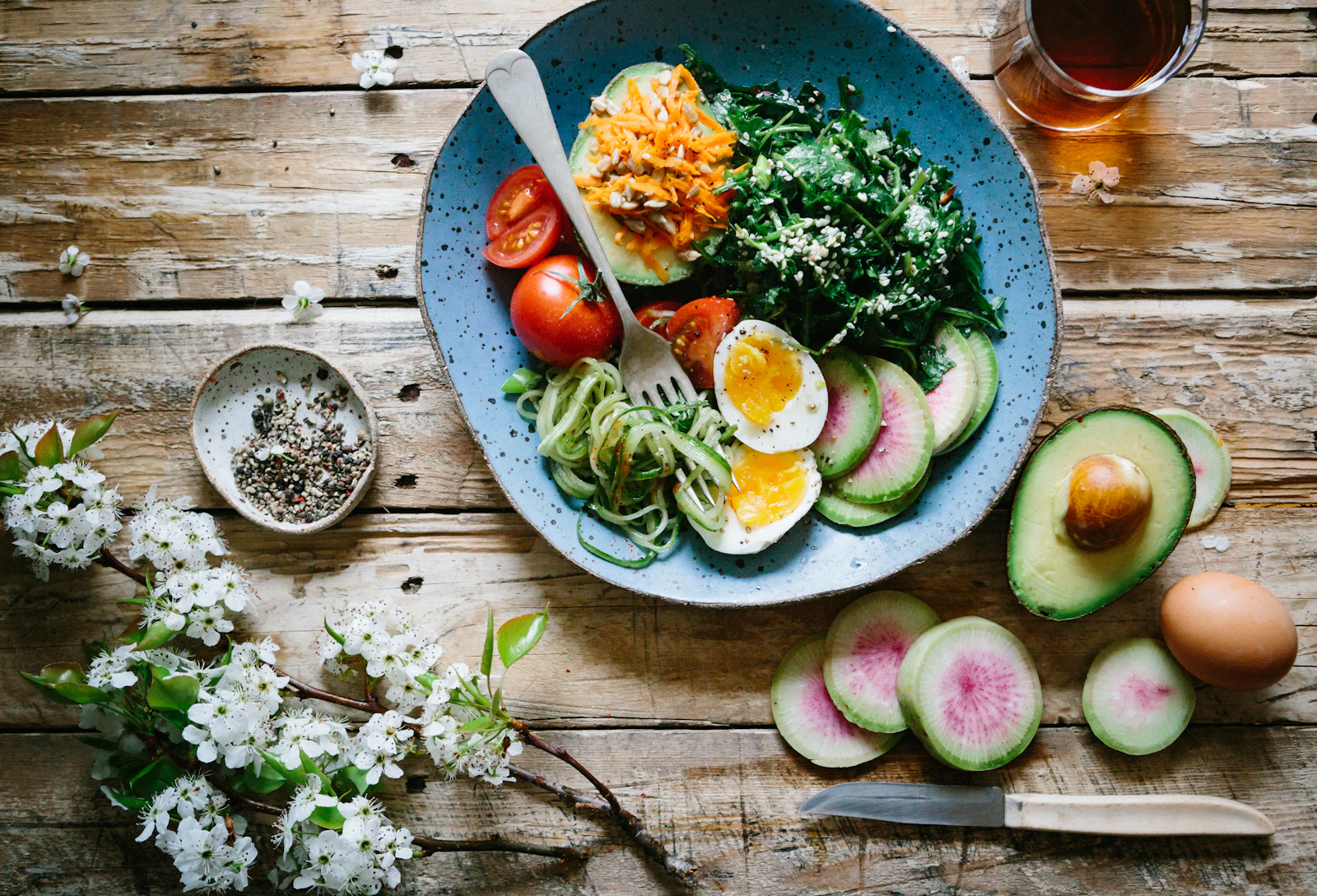
A food log is a measuring tool. It is not a report card, and it is not a punishment you owe the day. The people who still have a useful diary in month three are not more virtuous than the people who quit in week two. They made the act of logging shorter than the excuse to skip it.
That means choosing the fastest honest method for the meal in front of you, logging it before you forget, and refusing to restart your whole personality because Tuesday was messy.
Pick the method that matches the meal
Packaged food is a barcode job. The yoghurt, the bread, the protein bar — scan it, check the portion matches what you ate, and move on. Weighing a branded item you could have scanned is thoroughness dressed up as work.
A home-cooked plate you make often is worth doing properly once. Weigh the raw rice, the chicken, the oil in the pan, log the whole recipe, and divide by the number of portions. Next time you eat that chilli, you already know the number. Recipes you cook every week are where a food scale earns its keep. Recipes you will never cook again can be a reasonable estimate.
A meal in a restaurant, a buffet, or a photo of something mixed together is an estimate by nature. Use a photo log or the closest search result. If you are unsure between two portions, pick the larger one when you are trying to lose weight, and the smaller one when you are trying to gain. The bias should point away from the story you would prefer to believe.
Log before the meal disappears from memory
The diary dies in the gap between eating and opening the app. Log when the plate arrives, or in the five minutes after you finish, while you still know it was a bowl and not “some pasta”. End-of-day logging feels efficient and is mostly fiction. You will forget the latte. You will forget the handful of nuts. Those are often the difference between a steady week and a confusing one.
If you cannot log in the moment, take the photo and the barcode picture and enter them on the train home. A delayed true log beats a prompt invented one.
Decide what “good enough” means
Good enough is every meal present, portions in the right neighbourhood, and drinks included. Good enough is not a custom entry for each ingredient of a sandwich you bought at a station. Perfection is how people burn the habit out. They spend twelve minutes on breakfast and then skip dinner because they are late, which leaves the day looking oddly virtuous and completely wrong.
Streaks can help, if you treat them as a reminder that you opened the app. They become a problem when a broken streak feels like a failed week. Miss a day, log the next day, and leave the gap visible. Deleting a messy week to protect a streak deletes the only data that would have explained the scale.
Do not “fix” a log by skipping food
The point of seeing that lunch was large is to make a calm decision about dinner, not to cancel dinner. Skipping the evening meal because the number looks high usually ends in the cupboard at 10pm, unlogged. Eat a planned, protein-heavy dinner. Let the day be a bit over. One day does not move fat in any direction you can measure.
The same applies to exercise. A hard session is not a coupon. If you want extra food on training days, plan it in the morning as part of the target. Do not discover it in the form of a second dinner because the watch said you “earned” 700 kilocalories.
A week that teaches you something
After seven days, look for a pattern rather than a verdict. Are weekdays tight and weekends invisible? Is protein fine at dinner and absent at breakfast? Are you under on paper and over on the scale, which usually means oil, alcohol, or bites while cooking? Change one of those. Leave the rest alone until the next week.
If opening the app makes you anxious, or you notice yourself avoiding meals so the log stays clean, stop. That is not a discipline problem to push through. A GP or a registered dietitian can help you work on food without a running tally. Plenty of people train and eat well with a written menu for the week and no tracker at all.
In the app. SimplyAI is built around this exact trade: a photo when you are in a hurry, a barcode for packets, a search when you know the food, and a single daily target so you are not maintaining a spreadsheet. Recent foods and popular foods are there so lunch you eat every day takes one tap the second time.